
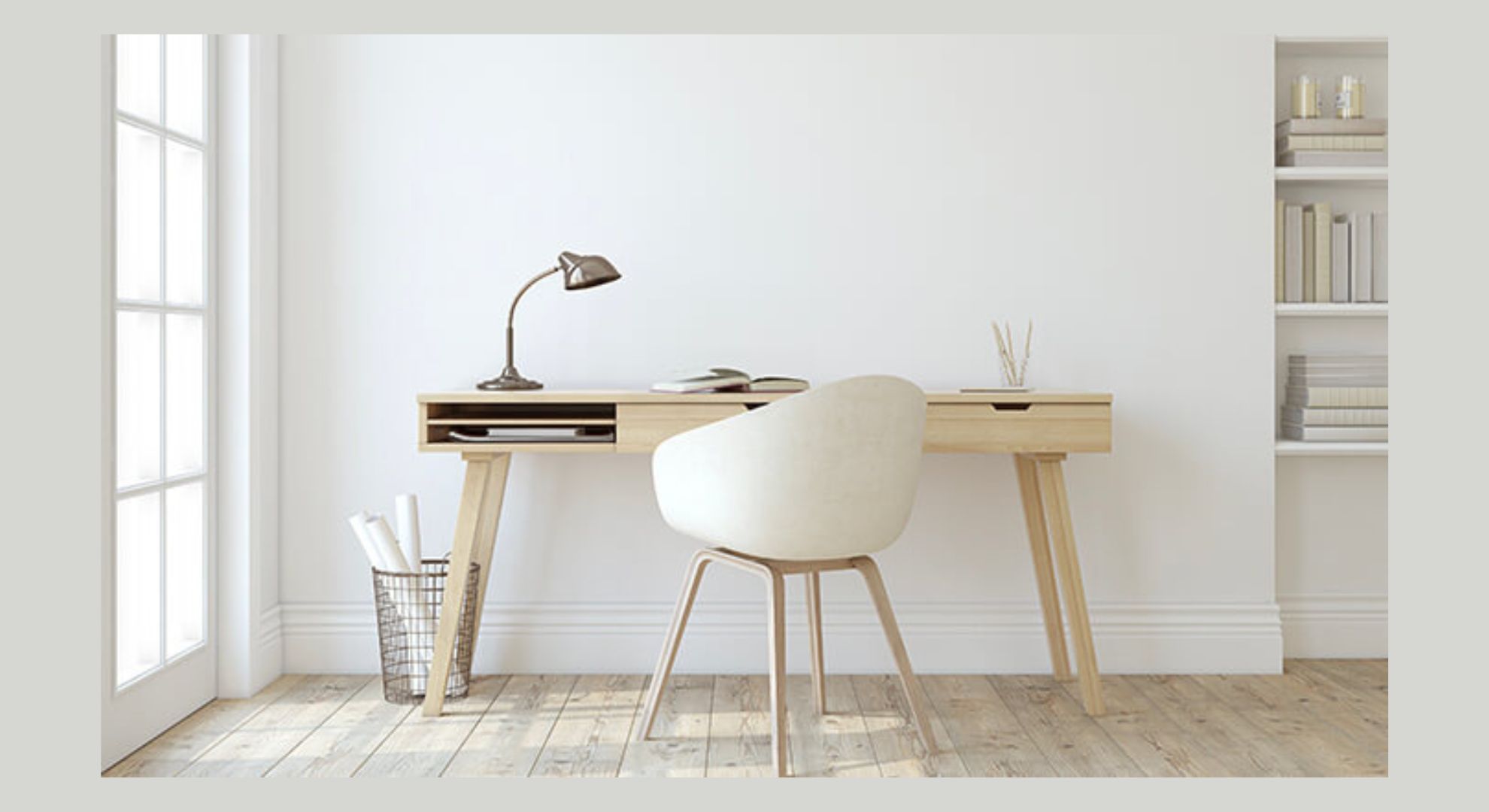
Long study sessions put the body under quiet but constant strain. While calendars, digital tools, and study strategies are frequently discussed, seating is crucial to maintaining these habits in a comfortable and consistent manner. The proper study chair becomes more than just a backdrop item; it becomes an integral element of the daily routine, from posture stability to mental stamina. Back pain, bad posture, and diminished concentration can result from spending a lot of time on an uncomfortable chair. In this blog, we will explore how to choose an Ideal Study Chair for long hours of study.
Why Extended Study Times Impose Particular Seating Requirements
Short sitting sessions and extended study sessions are very different. When sitting for thirty minutes as opposed to several hours, the body reacts differently, particularly when the focus is on reading, writing, or screen-based activities. You must focus on these factors before choosing an ideal study chair for long hours:
The Physical Effects of Extended Sitting
Small posture problems get worse when you sit for long periods of time. Shoulders progressively get stiff, the lower back absorbs prolonged strain, and poorly suited seats or heights might limit circulation. Study sessions demand less movement than casual sitting, which makes regular support even more crucial.
How Cognitive Focus Is Disturbed by Discomfort
Rarely does discomfort show up right away. It develops gradually until posture corrections become a regular source of distraction. Every change diverts focus from the current work. Long-term study chairs function in the background, minimizing the need for frequent adjustments and enabling uninterrupted concentration.
The Basis of Long-Hour Study Seating: Ergonomics
Many times, ergonomics is misinterpreted as a luxury feature rather than a practical requirement. It simply means how well a chair sustains the body in a neutral, balanced position over time when it comes to studying. An ergonomic chair allows for modest movement, effectively distributes body weight, and maintains the spine’s natural posture. Together, these elements reduce tension rather than completely eradicate it.
Supporting the Lumbar Region and Preserving Spinal Alignment
When studying for extended periods of time, the lower back is sometimes the first place to exhibit signs of exhaustion. Maintaining comfort and consistent posture is aided by proper support. While some chairs allow the backrest to gently adjust to movement, others use a fixed lumbar shape that promotes neutral posture. When the user’s body and seating patterns are taken into consideration, both strategies may be successful. Consistent contact that supports the lower back without straining it is crucial.
Focus on Seat Height, Depth, and Pressure Distribution
The size of the seat is crucial for long-hour comfort because it bears a large portion of the body’s weight. The alignment of the arms and legs with the desk is influenced by the height of the seat. When properly positioned, elbows comfortably align with the work surface, knees bend naturally, and feet rest flat on the floor. This equilibrium encourages stable circulation and reduces strain on the lower back. How much of the thigh is supported depends on the depth of the seat. Longer, more comfortable sitting is made possible by rounded front edges, which also reduces compression.
Consider Material Choices and Their Long-Term Impact
The choice of material affects how a chair feels both at first and after hours of continuous use. Mesh materials encourage ventilation, which can assist in controlling body temperature when sitting for lengthy periods of time. Although upholstered surfaces feel softer, their stability depends on structure and rigidity. Molded shells are frequently used for their longevity and ease of upkeep, and they provide a uniform shape.
Aligning the Chair with the Study Space
A chair’s performance is influenced by its physical surroundings. Visual balance, layout, and space are all important. The visual footprint of a chair is important in shared spaces or smaller rooms. Simplified profiles and lighter forms contribute to an open atmosphere without compromising usability. When space and simplicity are important, the Seashell molded chair works well in simple study arrangements.
Conclusion:
A study chair is a long-term investment. Over time, it supports stability and focus as it becomes ingrained in regular habits. The ideal decision honors the body’s requirements without going overboard. It complements the desk, blends in with the study space, and is comfortable even after extended usage. Over time, a study chair that is used frequently should keep its structural integrity. Consistent comfort and posture support are facilitated by materials that maintain their shape and withstand extreme compression.
For more information: https://lorewesder.com/



Leave a Reply