
Severe bone loss in the upper jaw clinically referred to as an atrophic maxilla, presents one of the most complex challenges in modern implant dentistry. Patients affected by this condition often struggle with poor denture stability, compromised chewing function, and changes in facial appearance. Conventional implant solutions frequently require extensive bone grafting, which may not be suitable for every patient due to medical, anatomical or financial reasons. Recent advancements in digital dentistry have led to the resurgence of subperiosteal implants now redesigned using advanced imaging and computer-aided manufacturing. These digitally planned solutions offer a predictable, minimally invasive alternative for restoring function and aesthetics in cases of severe maxillary bone loss.
Understanding Atrophic Maxilla
An atrophic maxilla develops when the upper jawbone undergoes progressive resorption over time. This process is commonly associated with long-term tooth loss, periodontal disease, trauma, or natural ageing. As bone volume decreases, the jaw loses its ability to support traditional endosteal implants, creating significant limitations in treatment planning.
Common implications of atrophic maxilla include:
- Reduced chewing efficiency and bite force
- Sunken facial appearance and premature ageing
- Poor stability of removable dentures
- Increased difficulty achieving implant retention
Patients exploring advanced solutions through dental implant Liverpool providers are often those who have been told they are unsuitable for conventional implants due to extensive bone loss.
What Are Subperiosteal Implants?
Subperiosteal implants differ fundamentally from traditional implants. Instead of being placed into the jawbone, they sit directly on top of the bone beneath the periosteum, with posts extending through the gum to support prosthetic teeth. This design allows implant rehabilitation without the need for sufficient bone depth.
Key characteristics include:
- Custom-made titanium frameworks
- Placement over the jawbone rather than within it
- Ability to support full-arch restorations
- Reduced reliance on bone grafting
Modern Subperiosteal Dental Implants Liverpool solutions utilise advanced digital workflows to ensure precision fit, comfort and long-term stability.
The Role of Digital Technology in Implant Design
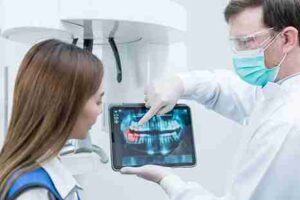
Digital technology has transformed subperiosteal implant treatment from a high-risk procedure into a predictable, patient-specific solution. Using cone beam computed tomography (CBCT), clinicians capture detailed three-dimensional images of the patient’s jaw anatomy.
The digital workflow typically includes:
- High-resolution CBCT imaging
- Virtual implant planning using CAD software
- Design of a patient-specific titanium framework
- CAD/CAM fabrication for precise accuracy
Advantages of Digital Design
- Exceptional anatomical accuracy
- Reduced surgical time
- Minimal intraoperative adjustments
- Improved prosthetic outcomes
Clinics offering Dental Implant Liverpool services increasingly rely on digital planning to enhance safety and efficiency in complex implant cases.
Surgical Workflow for Digitally Designed Subperiosteal Implants
The surgical process for digitally designed subperiosteal implants is carefully structured to minimise trauma and optimise outcomes.
Step-by-Step Overview
- Pre-Surgical Assessment: Comprehensive clinical examination and imaging to evaluate soft tissue and bone anatomy.
- Digital Planning and Fabrication: Custom framework design followed by CAD/CAM manufacturing in medical-grade titanium.
- Surgical Placement: Under local anaesthesia, the gum tissue is gently lifted and the framework is secured onto the bone.
- Prosthetic Restoration: Temporary or definitive prosthetic teeth are attached often allowing immediate functional restoration.
This streamlined approach significantly reduces treatment duration compared to graft-dependent implant protocols.
Benefits of Advanced Digital Subperiosteal Implants
Digitally designed subperiosteal implants offer substantial advantages for patients with severe maxillary resorption.
Key Benefits
- No requirement for bone grafting
- Faster treatment timelines
- Custom-fit frameworks for superior comfort
- Immediate or early restoration of function
- Suitable for medically compromised patients
| Benefit | Clinical Impact |
| Custom design | Improved fit and stability |
| Minimal invasiveness | Reduced post-operative discomfort |
| Immediate function | Faster return to normal eating |
| Bone preservation | Avoids additional surgical procedures |
Patients considering subperiosteal dental implants Liverpool often value the reduced complexity and predictability of this advanced approach.
Risks, Limitations, and Clinical Considerations
Despite their benefits, subperiosteal implants require careful case selection and clinical expertise. Potential risks include soft tissue irritation, framework exposure, or implant instability if planning is inadequate.
Important considerations include:
- Excellent oral hygiene commitment
- Adequate soft tissue quality
- Experienced surgical and prosthetic team
- Regular follow-up and maintenance
Digital planning significantly reduces complications but long-term success depends on both clinician skill and patient compliance.
Post-Treatment Care and Long-Term Maintenance
Long-term success relies heavily on appropriate aftercare. Patients are advised to follow strict oral hygiene routines and attend scheduled review appointments.
Post-operative care recommendations:
- Gentle brushing around implant posts
- Antimicrobial mouth rinses
- Regular professional cleaning
- Avoid excessive biting forces during early healing
With proper care, digitally designed subperiosteal implants can provide stable, long-lasting functional and aesthetic outcomes.
Patient Suitability and Long-Term Prognosis
Determining patient suitability is a critical step in ensuring the long-term success of digitally designed subperiosteal implants. This treatment is particularly beneficial for individuals who cannot undergo bone grafting due to medical conditions, advanced bone loss, or previous implant failure. A thorough assessment helps clinicians predict outcomes and tailor care plans effectively. Key factors considered during evaluation include overall oral health, soft tissue condition, and the patient’s ability to maintain good hygiene. Lifestyle habits and systemic health also influence prognosis.
Patient suitability considerations:
- Severe maxillary bone resorption
- Stable gum and soft tissue health
- Commitment to oral hygiene and follow-ups
- Absence of uncontrolled systemic conditions
With appropriate case selection and maintenance, long-term outcomes are highly predictable.

Clinical Outcomes and Patient Satisfaction
Clinical evidence indicates high success rates for digitally planned subperiosteal implants in cases of severe maxillary atrophy. Patients commonly report improved chewing ability, enhanced facial support, and greater confidence.
Observed outcomes include:
- Stable full-arch restorations
- Minimal post-operative discomfort
- High patient satisfaction levels
- Predictable long-term performance
The integration of digital technology has elevated subperiosteal implants into a reliable solution for patients previously considered untreatable.
Conclusion
Advanced digital subperiosteal implants represent a significant evolution in the care of patients with atrophic maxilla. By combining detailed imaging, CAD/CAM technology, and minimally invasive surgical techniques, this treatment offers predictable outcomes without the need for extensive bone grafting. It restores function, aesthetics, and quality of life for individuals with severe bone loss. For those seeking expert-led, patient-focused implant solutions, Smilo Dental Implant Liverpool is committed to delivering precision-driven care that prioritises long-term stability, comfort, and confident smiles.



Leave a Reply