
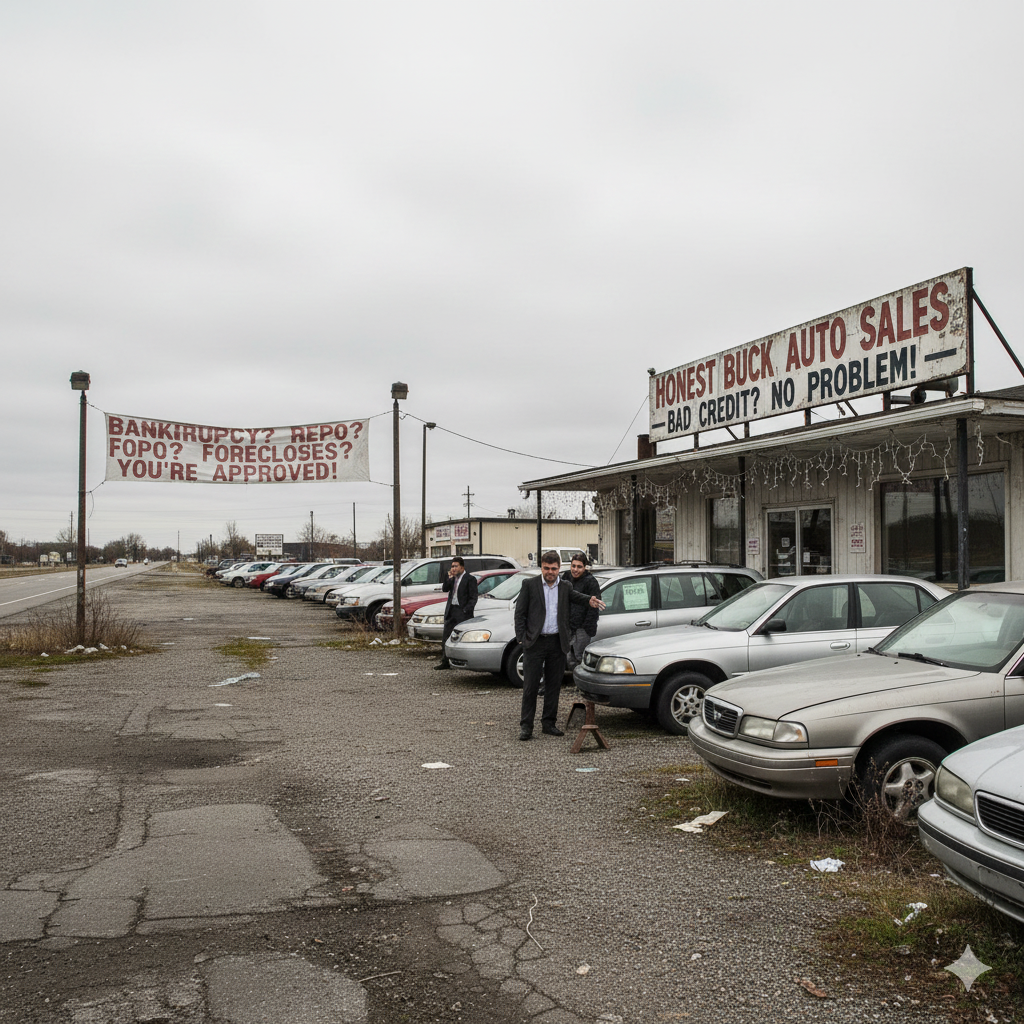
Car dealership low credit understands the challenges buyers face when their credit scores are low or non-existent. These dealerships offer financing options tailored to individuals with poor credit, helping them secure a vehicle without the typical barriers that traditional lenders impose. Car Dealership Bad Credit focuses on flexible approval processes, making it possible to get financing regardless of credit history.
Many of these dealerships also work with a network of lenders willing to consider factors beyond just credit scores, such as income and employment status. This allows buyers to access financing even if they have past repossessions or no credit history at all. Understanding how these dealers operate can help buyers make informed decisions and find a reliable vehicle without excessive delays or denials.
Navigating Car Dealerships With Bad Credit
Buying a car with bad credit requires understanding loan options, meeting specific approval criteria, and selecting the right dealership. These elements impact financing terms and overall buying experience.
Understanding Bad Credit Car Loans
Bad credit car loans differ from standard loans due to higher risk for lenders. Interest rates tend to be higher, and loan terms shorter. However, dealerships and lenders specializing in bad credit offer tailored financing solutions.
Buyers should expect larger down payments and possibly higher monthly payments. Loans may involve co-signers or require proof of steady income. Some dealerships work with subprime lenders focused on credit-challenged buyers.
Understanding these loan nuances can help buyers prepare better and avoid unfavorable deals. Research on loan structures and borrowing costs is essential before committing.
Requirements for Approval
Approval primarily hinges on income stability, debt-to-income ratio, and down payment amount rather than credit score alone. Proof of income and residence are commonly required.
Dealerships often check credit reports but emphasize current financial ability over past credit mistakes. Some allow buyers with repossessions or bankruptcies if they show recent financial responsibility.
A clear, honest communication about financial status benefits approval chances. Preparing documents like pay stubs, bank statements, and identification is vital.
Choosing the Right Dealership
Selecting a dealership with a track record of working with bad credit customers is critical. Look for transparency in financing terms, no hidden fees, and flexible loan options.
Specialist bad credit dealerships or those with in-house financing often provide faster approvals. Buyers should read reviews and confirm the dealership’s reputation for ethical practices.
Questions to ask before committing include:
- What are the interest rates and loan terms?
- Is a down payment required? How much?
- Are there penalties for early repayment?
Choosing carefully can minimize risks and improve financing outcomes.
Improving Your Chances for Approval
Securing approval for a car loan with bad credit requires practical steps that directly address lender concerns. Increasing the initial investment, utilizing trusted guarantors, and carefully evaluating loan details can all strengthen an application and improve the terms offered.
Building a Down Payment
A larger down payment reduces the lender’s risk and shows financial responsibility. Typically, a down payment of at least 10-20% of the car’s price is recommended. This upfront payment can lower monthly installments and may compensate for a lower credit score.
Saving for a substantial down payment before applying signals commitment and improves approval odds. Some lenders offer better interest rates or loan conditions when the buyer can provide a strong initial payment, especially for applicants with credit challenges.
Exploring Co-Signers and Trade-Ins
A co-signer with good credit provides additional assurance to lenders. This person agrees to repay the loan if the primary borrower defaults, which can significantly improve the chance of approval and possibly reduce interest rates.
Trade-ins also offer value by directly lowering the loan amount needed. When a buyer trades in a reliable vehicle, its assessed value can act as part of the down payment, making the loan less risky for the dealer and lender.
Both options improve lending confidence but require careful discussion and agreement about responsibilities and risks for all parties involved.
Comparing Loan Terms
Loan terms vary widely, especially for borrowers with poor credit. It’s important to compare:
- Interest rates: Higher risk usually means higher rates.
- Loan length: Longer terms reduce monthly payments but increase total interest paid.
- Fees and penalties: Some loans have early repayment charges or origination fees.
Using online tools to prequalify or shop around at multiple dealerships can help identify the best available terms. Understanding the total cost over time prevents agreeing to unfavorable loans that might worsen credit standing.



Leave a Reply