The real estate industry is evolving at an unprecedented pace, and technology is playing a key role in this transformation. Among the various technological advancements, 3D exterior renderings have emerged as a powerful tool that revolutionizes how properties are marketed and designed. Real estate professionals, architects, developers, and designers are increasingly adopting 3D rendering technology to communicate their ideas effectively, attract potential buyers, and reduce errors in design.
3D architectural exterior renderings allow clients and stakeholders to visualize a property before it is built. Unlike traditional blueprints or sketches, these renderings provide a photorealistic and immersive view of the exterior of buildings, landscapes, and surrounding environments. This helps in bridging the gap between imagination and reality, enabling better decision-making throughout the design and marketing process.
In this article, we will explore how 3D exterior renderings contribute to real estate marketing, enhance design workflows, and improve overall client satisfaction. From the technical aspects to real-world applications, every detail will be covered to provide a comprehensive understanding of this transformative technology.
Understanding 3D Architectural Exterior Renderings
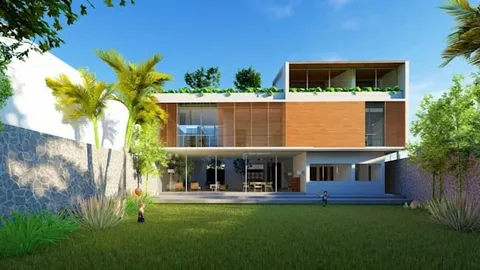
3D architectural exterior renderings are digital representations of a building’s exterior created using advanced computer software. These renderings simulate real-world environments, textures, and lighting conditions to produce realistic visualizations. Unlike traditional architectural drawings, 3D renderings offer a sense of depth, scale, and context, making it easier for viewers to understand how the final construction will look.
The process of creating a 3D exterior rendering involves modeling the building structure, applying textures and materials, setting up lighting and environmental effects, and finally rendering the scene to produce a high-quality image or animation. The resulting visuals can be still images, interactive 3D models, or even virtual reality experiences, allowing potential buyers and clients to engage with the design more effectively.
By providing an accurate and visually appealing representation, 3D renderings reduce ambiguity and miscommunication, ensuring that clients, designers, and stakeholders are aligned in their vision.
Importance of 3D Exterior Renderings in Real Estate Marketing
The competitive nature of the real estate market requires innovative strategies to capture the attention of potential buyers. Traditional marketing methods such as brochures, photos, or sketches often fail to convey the true essence of a property. 3D exterior renderings address this challenge by offering photorealistic visuals that make properties more appealing and understandable.
Enhancing Property Presentations
One of the primary advantages of 3D exterior renderings is their ability to enhance property presentations. Instead of relying on vague sketches or incomplete photographs, real estate marketers can showcase fully rendered images of a property, including landscaping, lighting, and architectural details.
These high-quality renderings create a strong first impression, capturing the attention of buyers and investors. Potential clients can explore the property visually, understand its layout, and get a sense of its aesthetic appeal, all without visiting the site physically.
Attracting More Buyers
In today’s digital era, buyers often make decisions based on online listings. Properties with visually appealing images and renderings stand out from the competition. 3D exterior renderings enable real estate professionals to display a property in the best possible light, increasing engagement and inquiries.
Additionally, these renderings can highlight the unique selling points of a property, such as its architectural style, garden design, and surrounding environment. By presenting a realistic and attractive visual, marketers can generate more interest and ultimately sell properties faster.
Supporting Marketing Campaigns
3D exterior renderings are versatile tools that can be integrated into various marketing campaigns. They can be used in digital ads, social media promotions, email marketing, and real estate websites. The ability to create animations and virtual walkthroughs further enhances the marketing strategy, providing an interactive experience for potential buyers.
By leveraging 3D renderings, real estate marketers can reach a wider audience and create more compelling campaigns that drive sales and build brand reputation.
Role of 3D Exterior Renderings in Design
Beyond marketing, 3D exterior renderings play a crucial role in the design and planning of real estate projects. Architects and developers use these renderings to visualize their ideas, make informed decisions, and communicate effectively with clients and construction teams.
Improving Design Accuracy
3D renderings allow designers to visualize complex architectural details, materials, and lighting conditions before construction begins. This helps in identifying potential design flaws, improving accuracy, and reducing costly changes during the building process.
For example, designers can experiment with different materials, colors, and textures to see how they interact with natural lighting. By visualizing these elements in a realistic 3D environment, they can make informed choices that enhance the overall design quality.
Facilitating Client Communication
One of the challenges in real estate design is translating technical drawings into a format that clients can easily understand. 3D exterior renderings bridge this gap by providing photorealistic visuals that clearly communicate the designer’s vision.
Clients can explore the property from different angles, observe landscaping details, and even view the property at different times of the day. This interactive experience helps clients make informed decisions and ensures that their expectations are met.
Supporting Collaboration and Decision-Making
3D exterior renderings are valuable tools for collaboration among architects, engineers, contractors, and clients. By providing a clear visual representation, these renderings facilitate discussions, gather feedback, and align all stakeholders on the project’s objectives.
Additionally, 3D renderings enable designers to experiment with different design concepts quickly. They can evaluate various architectural styles, exterior finishes, and environmental settings, ensuring that the final design meets both aesthetic and functional requirements.
Photorealism and Its Impact on Real Estate Marketing
Photorealistic renderings are a subset of 3D exterior renderings that aim to replicate real-world visuals with extreme accuracy. These renderings include realistic textures, shadows, reflections, and lighting, making the property look as close to reality as possible.
Creating Emotional Connections
Real estate marketing is not just about showcasing a building; it’s about creating an emotional connection with potential buyers. Photorealistic 3D renderings help buyers imagine themselves living in the property, walking through the garden, and enjoying the view.
This emotional engagement increases the likelihood of a sale, as buyers can visualize the lifestyle associated with the property. The more realistic the rendering, the stronger the connection and trust established between the buyer and the property.
Highlighting Property Features
Photorealistic renderings can emphasize specific features of a property that might be overlooked in traditional photos. For instance, a well-designed facade, modern landscaping, or sustainable materials can be highlighted to attract eco-conscious buyers.
These renderings provide an opportunity to showcase the unique aspects of a property, making it easier for buyers to understand its value and appeal.
3D Exterior Renderings and Virtual Tours
Virtual tours have become an integral part of real estate marketing, and 3D exterior renderings serve as the foundation for these immersive experiences. By combining 3D modeling with interactive elements, virtual tours allow buyers to explore a property remotely.
Increasing Engagement
Virtual tours increase engagement by offering an interactive experience that static images cannot provide. Buyers can navigate around the property, explore the exterior spaces, and even visualize different times of the day.
This level of engagement not only attracts more potential buyers but also helps in building trust and credibility. Clients can experience the property in a realistic manner, making it easier to make purchasing decisions.
Reducing Physical Visits
In many cases, buyers are located far away from the property. 3D exterior renderings and virtual tours minimize the need for multiple physical visits, saving time and resources for both buyers and real estate agents.
By providing a realistic visual experience online, properties can reach a wider audience and generate more leads without the logistical challenges of in-person tours.
Cost-Effectiveness of 3D Exterior Renderings
While creating 3D exterior renderings requires an initial investment, it often proves to be cost-effective in the long run. By identifying design flaws early, reducing construction errors, and enhancing marketing efforts, these renderings save both time and money.
Reducing Marketing Costs
High-quality 3D renderings eliminate the need for expensive photo shoots and promotional materials. They provide versatile visuals that can be used across multiple platforms, from brochures to social media campaigns.
Additionally, the ability to showcase a property before construction allows developers to secure pre-sales or attract investors, further reducing financial risks.
Minimizing Design Changes
Traditional construction projects often encounter changes due to design misunderstandings or miscommunication. 3D exterior renderings reduce these errors by providing a clear visual representation that all stakeholders can understand.
By addressing design issues virtually, developers save on costly material changes, labor, and project delays, making the overall process more efficient and cost-effective.
Future Trends in 3D Architectural Exterior Rendering
The field of 3D rendering is continuously evolving, with new technologies shaping the future of real estate marketing and design. Artificial intelligence, real-time rendering, and virtual reality integration are transforming how properties are visualized and marketed.
AI-Assisted Renderings
Artificial intelligence is now being used to automate complex rendering processes, enhance image quality, and generate realistic visuals quickly. AI-assisted renderings reduce the time required for producing high-quality visuals, enabling faster marketing and design workflows.
Real-Time Rendering
Real-time rendering allows clients and designers to interact with 3D models dynamically. Changes in design, lighting, or materials can be visualized instantly, providing a more efficient and collaborative design process.
Integration with Augmented and Virtual Reality
AR and VR technologies are increasingly integrated with 3D renderings to offer immersive experiences. Clients can virtually walk around a property, explore exterior spaces, and interact with design elements in real-time.
These advancements are redefining real estate marketing, offering unprecedented levels of engagement, interactivity, and realism.
Case Studies and Real-World Applications
Several real estate developers and architectural firms have successfully leveraged 3D exterior renderings to enhance their marketing and design processes. For example, luxury property developers use photorealistic renderings to showcase high-end villas, highlighting landscaping, pool areas, and architectural features.
Urban planners and architects also use 3D renderings to visualize large-scale developments, ensuring that new buildings harmonize with existing urban environments. These examples demonstrate the versatility and impact of 3D renderings across various real estate and design projects.
Conclusion
3D architectural exterior renderings have become indispensable tools in the real estate and design industries. They provide photorealistic visualizations that enhance marketing efforts, improve design accuracy, and facilitate effective communication with clients and stakeholders.
By leveraging this technology, real estate professionals can attract more buyers, reduce costs, minimize errors, and create immersive experiences that drive sales. As advancements in AI, VR, and real-time rendering continue, the role of 3D renderings in real estate marketing and design will only grow stronger, making them essential for anyone looking to succeed in this competitive industry.
3D exterior renderings are more than just visuals; they are a bridge between imagination and reality, transforming ideas into tangible experiences that inspire, engage, and sell.



Leave a Reply