
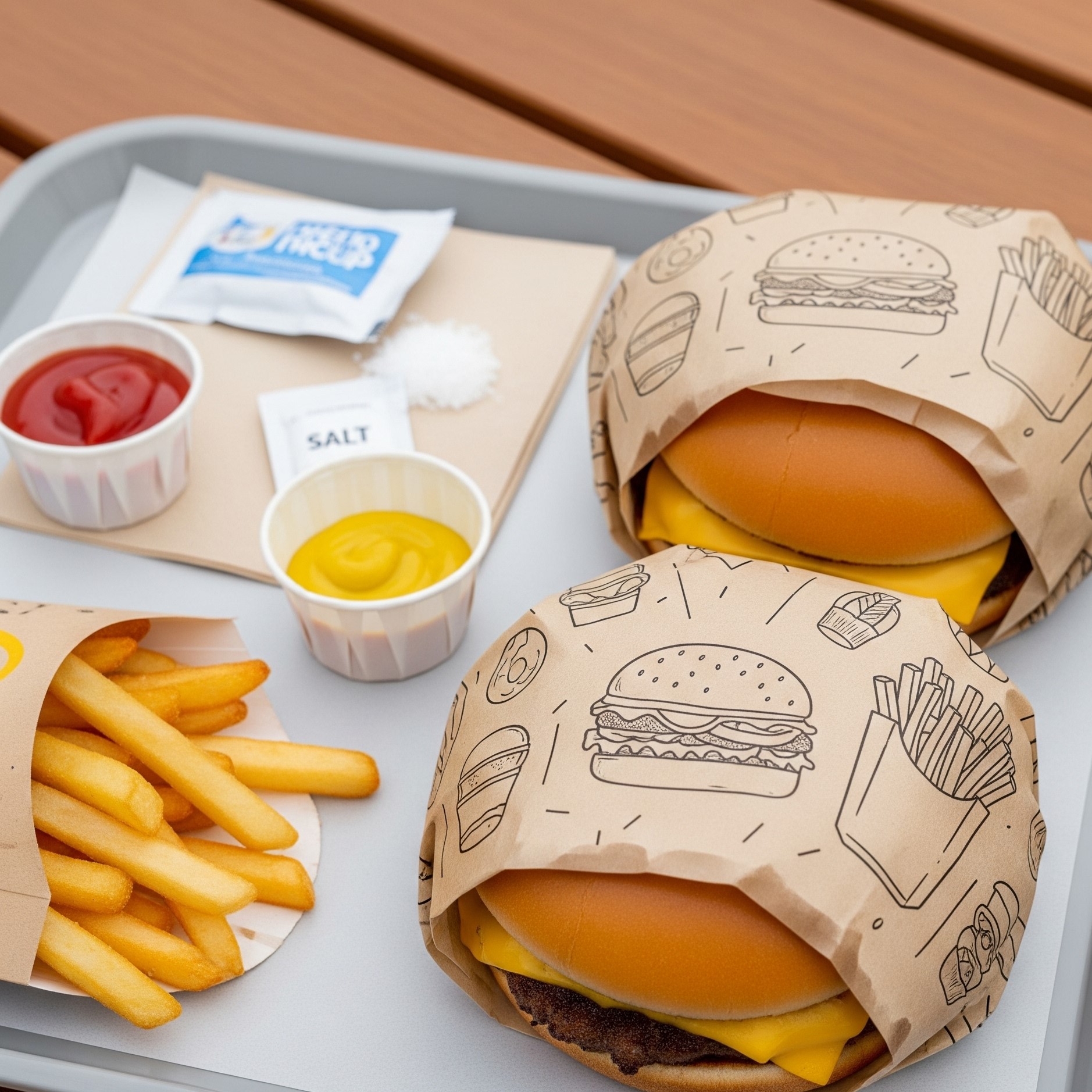
Maintaining burger quality is critical for restaurants serving both dine-in and takeaway customers. Burgers lose texture and flavor quickly if handled improperly. Moisture from vegetables or sauces can soak the bread, creating an unappealing experience. Temperature changes affect safety and taste during holding and transport. Correct preparation, wrapping, and storage methods will ensure uniform quality. Knowledge of how ingredients behave also enables informed decisions on gathering and service. Detail work means the burgers come out fresh, juicy and tasty looking for the customers. Effective processes can have a positive impact on waste and operational performance. Every decision has a significant impact on the final eating experience.
How Does Wrapping Material Protect Burger Quality Effectively?
Choosing the right material keeps burgers safe from moisture and temperature changes naturally. Certain papers provide insulation and prevent juices from leaking into the bun. Custom burger wrapping paper protects sandwiches during transport while maintaining texture and flavor. Wrapping materials also support structural integrity for stacked ingredients in takeaway orders. Proper selection prevents soggy bread and lost visual appeal for dine-in or delivery. Material choice affects customer satisfaction and repeat business reliably. Staff trained to use correct materials maintain consistent quality across all services. Efficient wrapping reduces complaints and enhances overall presentation in every order.
Why Is Timing of Wrapping Critical for Freshness?
Wrapping burgers at the correct time ensures heat retention and prevents sogginess effectively. Wrapping too early traps steam, which softens buns and affects texture negatively. Late wrapping exposes items to air, drying toppings and bread surfaces. Coordinating wrapping with cooking and serving schedules ensures consistent quality for dine-in customers. Takeaway orders also benefit when wrapping timing matches delivery or pickup accurately. Staff awareness of proper timing maintains flavor, texture, and temperature consistently. Efficient timing reduces waste and improves operational workflow in busy restaurants. Correct timing creates a professional impression and strengthens customer trust naturally.
How Does Ingredient Layering Improve Burger Texture?
Layering ingredients strategically prevents juices from affecting the bread or other components. Placing sauces between solid items reduces direct moisture contact with buns. Vegetables and cheese act as barriers to maintain intended textures and taste. Proper layering ensures that toppings do not slide or compress under handling. Attention to sequence improves visual appeal and prevents structural collapse in takeaway orders. Staff trained to assemble with proper layering maintain consistency in every burger. Correct layer placement also supports portion control and flavor balance naturally. Strategic layering preserves freshness, appearance, and customer satisfaction across all services.
What Role Does Temperature Play During Storage and Service?
Maintaining proper temperature preserves texture and prevents bacterial growth reliably. Cold storage slows spoilage and keeps ingredients fresh longer. Hot items must retain heat without creating excessive moisture or sogginess. Wrapping materials support temperature management by insulating while allowing slight breathability. Temperature changes during placement influence the moisture transfer and final texture of cooked chicken in FTO orders. Compliance with staff temperature control requirements results in uniformity between shifts and outlets. Temperature monitoring ensures food safety and also natural flavour enhancement. Temperature management contributes to customer satisfaction and reduces complaints about quality deterioration consistently.
How Can Portion Control Affect Burger Quality?
Controlled portions prevent overstuffing and maintain texture balance across all components. Too many sauces or wet ingredients release excess liquid that affects the bun. Proper meat sizing ensures juices do not compromise other toppings. Balanced portions prevent compression and preserve structural integrity during handling. Standardized portions improve operational efficiency and support consistent flavor in every serving. Portion control reduces waste and enhances repeatability for dine-in and takeaway orders. Staff trained in portion techniques maintain uniform quality across all products. Consistent portions also improve cost management and customer satisfaction reliably.
How Does Staff Training Support Quality Maintenance?
Training staff ensures proper techniques are applied consistently for wrapping and assembly. Employees learn material selection, layering, and timing practices to preserve flavor. WaxPapersHub emphasizes training to improve efficiency and maintain quality for all shifts. Staff awareness of ingredient behavior reduces mistakes and prevents spoiling during busy periods. Training also covers temperature management, portion control, and presentation standards reliably. Consistent application of skills ensures customer satisfaction and reduces complaints about soggy or unappealing burgers. Ongoing training strengthens operational standards and professional service across all locations. Well-trained teams maintain superior quality for every dine-in or takeaway order.
Why Should Wet and Dry Components Be Managed Separately?
Separating wet and dry components prevents sogginess and maintains intended texture naturally. Sauces or juicy vegetables can be packaged separately and added during serving. Dry ingredients like buns remain fresh and maintain visual appeal. Separation supports long holding times without compromising taste or presentation in takeaway orders. Staff adherence to separation strategies improves consistency and reduces complaints about mess or flavor blending. Proper organization of components communicates care and professionalism to customers effectively. Separation also supports operational efficiency, reducing cleanup and preparation issues reliably. Managing components separately improves freshness and overall customer satisfaction consistently.
How Can Feedback Improve Burger Quality Practices?
Customer feedback identifies areas where wrapping or assembly could be optimized naturally. Observations reveal which materials, portion sizes, and layering methods work best consistently. Adjustments based on feedback improve efficiency and quality for both dine-in and takeaway. Responses help staff refine techniques for different climates and holding periods in Canada. Implementing recommendations consistently conveys dedication to product quality and care. Kaizen processing reduces complaints, increases repeat customers, and develops brand reputation. Engagement of staff with feedback ensures that what works is consistently applied.Feedback-guided improvements maintain flavor, texture, and appearance for every burger consistently.
Conclusion
Maintaining burger quality requires careful material selection, wrapping timing, and proper layering. Custom wrapping paper helps prevent moisture migration and protects flavor and texture consistently. Using food paper ensures structural integrity and extends freshness for both dine-in and takeaway orders. Staff trained with WaxPapersHub materials improve operational efficiency and consistency reliably. Temperature control, portioning, and separation of components protect quality throughout service periods. Attention to detail ensures customer satisfaction and reduces complaints naturally. Feedback integration refines practices to maintain standards in all situations. Effective wrapping preserves taste, appearance, and texture for superior customer experiences consistently.



Leave a Reply