
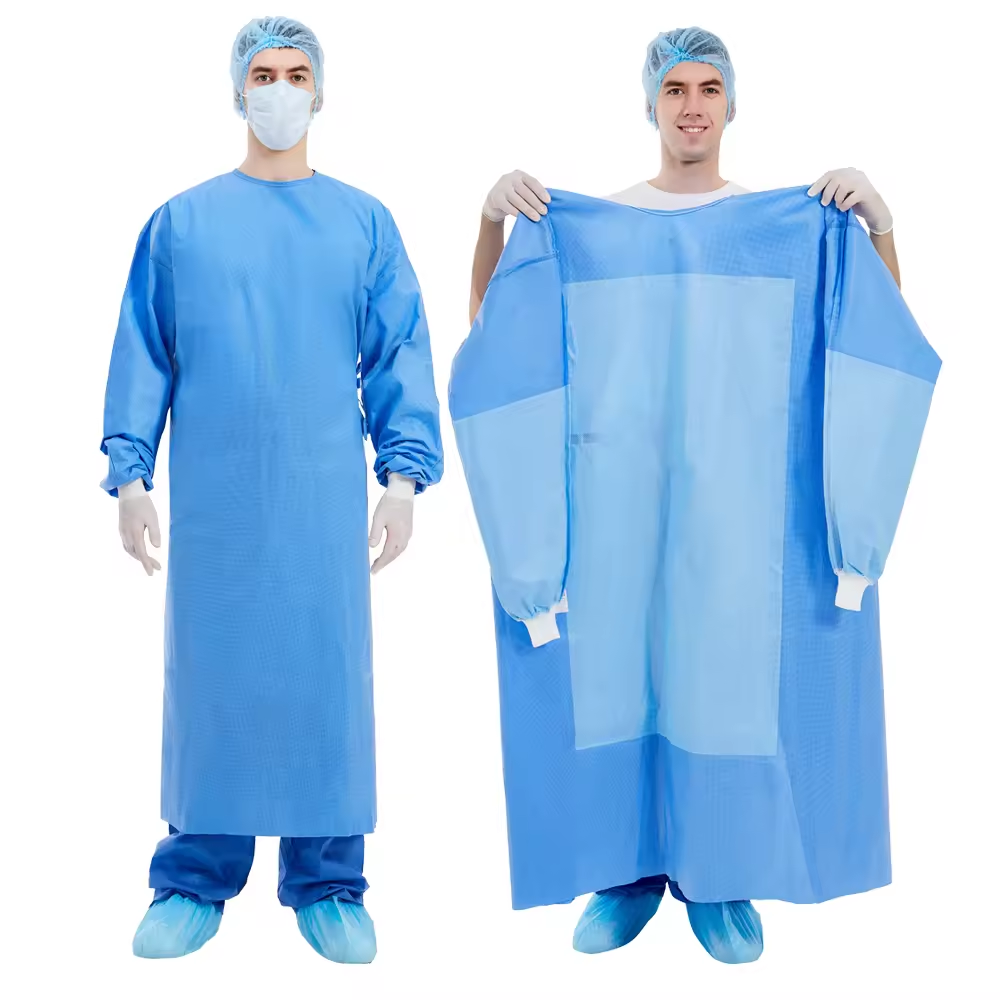
A surgical gown is a protective medical garment worn by surgeons and healthcare professionals during procedures to prevent the spread of infection. In Australia, surgical gowns are designed to meet strict hospital safety standards, offering fluid resistance, breathability, and comfort. They are widely used in hospitals, clinics, operating theatres, and medical centres across Melbourne and nationwide.
Understanding Surgical Gowns in Modern Healthcare
Surgical gown play a critical role in infection control. They create a protective barrier between medical professionals and patients, reducing the risk of contamination during surgical and clinical procedures. In Australia, especially in major healthcare hubs like Melbourne, surgical gowns are regulated, carefully manufactured, and selected based on performance levels.
From minor outpatient procedures to complex surgeries, the right surgical gown helps maintain hygiene, safety, and confidence in clinical environments.
Surgical Gown Melbourne: Why Quality Matters
Melbourne is home to some of Australia’s leading hospitals, private clinics, and medical research centres. This means the demand for high-quality surgical gowns in Melbourne is consistently high.
Healthcare providers in Victoria often look for:
-
Hospital-grade surgical gowns
-
Comfortable surgical gown scrubs
-
Reusable and disposable surgical gowns
-
Compliance with Australian healthcare standards
A well-made surgical gown supports long shifts, allows ease of movement, and maintains protection throughout procedures.
Surgical Gown Australia: National Standards and Expectations
Across Australia, surgical gowns must meet strict infection control guidelines. Hospitals and clinics typically follow standards aligned with:
-
Fluid resistance levels
-
Fabric durability
-
Sterility requirements
-
Breathability for extended wear
Whether you are sourcing surgical gowns in Sydney, Brisbane, Perth, or Melbourne, consistency in quality is essential. Australian healthcare settings prioritize patient safety, which is why surgical gowns are carefully evaluated before use.
Types of Surgical Gowns Explained
1. Disposable Surgical Gowns
Disposable surgical gowns are designed for single use and are commonly used in operating theatres. They are lightweight, sterile, and ideal for high-risk procedures where contamination control is critical.
Benefits:
-
Excellent infection control
-
No laundering required
-
Consistent protection
2. Reusable Surgical Gowns
Reusable surgical gowns are made from durable fabrics that withstand repeated washing and sterilization. Many Australian hospitals choose reusable options for sustainability and cost-efficiency.
Benefits:
-
Environmentally friendly
-
Long-term cost savings
-
High comfort levels
3. Surgical Gown Scrub Sets
A surgical gown scrub combines protective function with everyday clinical wear. These are often used by surgeons, nurses, and theatre staff before and after procedures.
Benefits:
-
Comfortable fit
-
Professional appearance
-
Easy movement during long shifts
Surgical Gown Scrub: Comfort Meets Function
Surgical gown scrubs are increasingly popular in Australian healthcare facilities. Unlike traditional gowns, scrubs are designed for all-day wear while still offering protection in clinical settings.
In Melbourne hospitals, surgical gown scrubs are favored for:
-
Long operating hours
-
High mobility requirements
-
Maintaining a clean and professional look
Modern surgical gown scrubs are breathable, easy to clean, and available in various sizes to ensure inclusivity and comfort.
Materials Used in Surgical Gowns
The material of a surgical gown directly impacts its performance. Common materials include:
Polypropylene Fabric
Lightweight and commonly used in disposable surgical gowns. It offers good fluid resistance and affordability.
Polyester and Cotton Blends
Often used in reusable surgical gowns. These fabrics balance comfort, durability, and breathability.
SMS Fabric (Spunbond Meltblown Spunbond)
Widely used in high-performance surgical gowns across Australia. SMS fabric provides excellent barrier protection while remaining breathable.
Choosing the Right Surgical Gown in Australia
When selecting a surgical gown, Australian healthcare professionals consider several factors:
-
Procedure type: Minor vs major surgery
-
Risk level: Exposure to fluids or contaminants
-
Comfort: Especially for long procedures
-
Compliance: Meeting hospital and regulatory standards
In Melbourne’s busy healthcare environment, having the right surgical gown ensures safety without compromising efficiency.
Surgical Gowns for Different Medical Settings
Hospitals and Operating Theatres
High-barrier surgical gowns are essential for surgeries and invasive procedures.
Clinics and Day Surgery Centres
Light to medium protection surgical gowns are often sufficient while maintaining comfort.
Dental and Cosmetic Clinics
Surgical gowns are commonly used for hygiene and professional presentation.
Veterinary and Research Facilities
Many Australian labs and animal clinics also rely on surgical gowns for protection and cleanliness.
Sustainability and Surgical Gowns in Australia
Sustainability is becoming a priority across Australia’s healthcare sector. Many hospitals in Melbourne are shifting towards reusable surgical gowns to reduce medical waste.
Reusable surgical gowns:
-
Reduce landfill waste
-
Lower long-term costs
-
Support environmentally responsible healthcare practices
This shift reflects Australia’s broader commitment to sustainability in medical supply chains.
Sizing, Fit, and Design Considerations
A surgical gown must fit properly to be effective. Poorly fitted gowns can restrict movement or compromise protection.
Modern surgical gowns in Australia are designed with:
-
Adjustable ties or fastenings
-
Multiple size options
-
Ergonomic cuts for ease of movement
In Melbourne, inclusive sizing is increasingly important to support diverse healthcare teams.
Infection Control and Safety Benefits
Surgical gowns are a frontline defense against infection. They protect:
-
Patients from external contaminants
-
Medical staff from bodily fluids
-
Clinical environments from cross-contamination
In Australia’s regulated healthcare system, surgical gowns are a core requirement for maintaining high safety standards.
Common Questions About Surgical Gowns
Are surgical gowns mandatory in Australian hospitals?
Yes. Surgical gowns are standard in operating theatres and many clinical procedures to ensure infection control.
Can surgical gowns be reused?
Yes, reusable surgical gowns are widely used in Australia, provided they are properly laundered and sterilized.
What is the difference between a surgical gown and a scrub?
A surgical gown provides protective coverage during procedures, while scrubs are everyday clinical clothing. Surgical gown scrubs combine elements of both.
Why Melbourne Is a Key Market for Surgical Gowns
Melbourne’s healthcare sector is one of the largest in Australia. With major hospitals, private practices, and medical research institutions, the demand for reliable surgical gowns continues to grow.
Healthcare providers in Melbourne value:
-
Consistent quality
-
Compliance with Australian standards
-
Comfortable, professional designs
This makes Melbourne a central hub for surgical gown supply and innovation.
Future Trends in Surgical Gowns Australia
The future of surgical gowns in Australia is focused on:
-
Improved breathable materials
-
Sustainable production methods
-
Enhanced comfort without sacrificing protection
-
Better fit and inclusive sizing
Australian healthcare professionals are increasingly involved in selecting gowns that support both performance and wellbeing.
Final Thoughts
A Surgical Gown Melbourne is more than just a medical garment. It is a critical tool for safety, professionalism, and infection control. Whether you are sourcing a surgical gown in Melbourne or anywhere across Australia, choosing the right type, material, and design matters.
From surgical gown scrubs to high-barrier operating theatre gowns, Australia’s healthcare sector demands quality, reliability, and comfort. By understanding these factors, healthcare providers can ensure safer outcomes for both patients and medical professionals.
This guide is designed to help you make informed decisions and stay aligned with Australia’s healthcare standards, today and in the future.



Leave a Reply