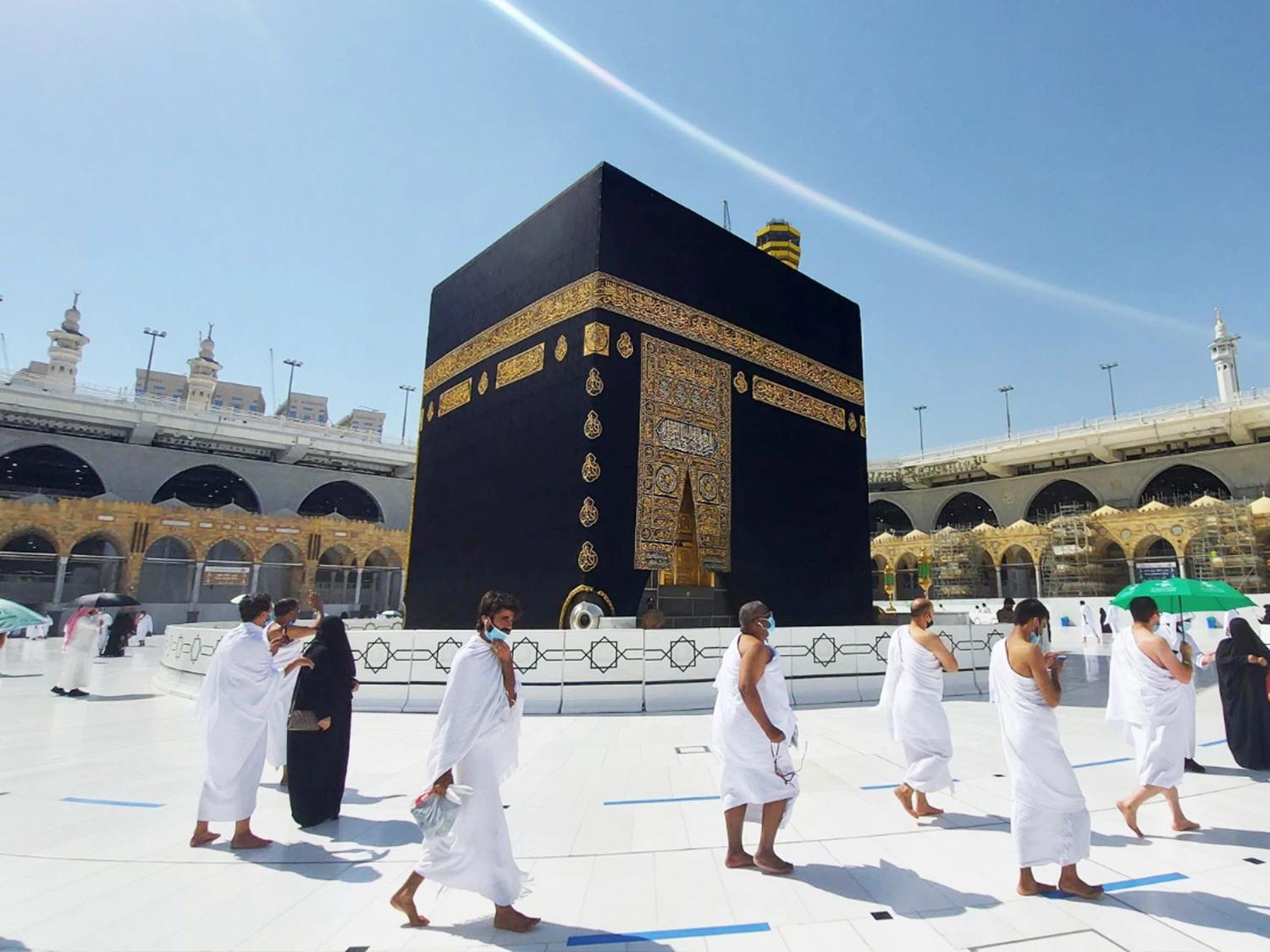
Ramadan is a month of unparalleled spiritual energy, reflection, and devotion. For Muslims, performing Umrah during this holy month can be a transformative experience, amplifying the rewards and spiritual benefits of the pilgrimage. Yet, with its blessings come unique challenges—from fasting while performing rituals to navigating the immense crowds. Understanding the impact of Ramadan on your Umrah journey and preparing accordingly is essential to maximising the spiritual, physical, and emotional benefits.
In this article, we explore how Ramadan affects your Umrah experience and provide actionable guidance on how to make the most of your sacred journey.
Why Ramadan Intensifies the Spiritual Rewards of Umrah
Performing Umrah during Ramadan is considered highly virtuous. Scholars highlight that the reward for acts of worship multiplies during the holy month, and Umrah performed in Ramadan carries a special status. The spiritual atmosphere in Makkah and Madinah becomes particularly uplifting as worshippers engage in extra prayers, recitation of the Qur’an, and night vigils.
- Increased rewards: Acts of worship carry multiple rewards. Tawaf, Sa’i, and prayer feel especially meaningful.
- Collective devotion: The energy from millions of fellow pilgrims can deepen personal reflection.
- Enhanced focus: The month encourages mindfulness, helping pilgrims connect more intensely with Allah.
Physical Challenges of Ramadan Umrah
While the spiritual rewards are amplified, Ramadan also introduces physical challenges:
Fasting During Rituals
Performing Umrah while fasting requires stamina. Walking long distances in the heat and completing multiple rounds of Tawaf and Sa’i can be exhausting.
Solution: Schedule rituals during cooler parts of the day or night, take short rest breaks, and maintain hydration during non-fasting hours.
Sleep Deprivation
Nightly Taraweeh prayers and early Suhoor meals can disrupt normal sleep patterns, leading to fatigue.
Solution: Prioritise short naps during the day, plan rest periods in your hotel, and pace yourself for prolonged worship sessions.
Crowd Management During Ramadan
Ramadan attracts massive crowds, particularly in the last ten nights. This impacts the overall Umrah experience:
- Extended waiting times for Tawaf and Sa’i
- Limited access to certain prayer areas
- Increased risk of fatigue or minor injuries
Solution:
- Perform rituals during off-peak hours, such as early mornings or late nights
- Use guided Umrah groups to navigate efficiently
- Stay close to the Haram to minimise walking distances
Accommodation Considerations
Hotels near Masjid al-Haram and Masjid an-Nabawi fill up quickly during Ramadan. Booking well in advance is crucial to ensure comfort and convenience.
Tips:
- Prioritize proximity over luxury to reduce walking fatigue
- Choose family-friendly or elderly-friendly accommodations if traveling with dependents
- Confirm meal arrangements for Iftar and Suhoor to simplify fasting logistics
Meal Planning for Energy and Worship
Iftar and Suhoor meals play a critical role in maintaining energy levels during Ramadan Umrah. Inadequate nutrition can negatively impact both worship and health.
Strategies:
- Opt for packages that include nutritious, balanced meals
- Focus on hydration and light, energy-sustaining foods during Suhoor
- Avoid heavy meals that cause lethargy before night prayers
Spiritual Guidance and Support
The crowded and hectic environment of Ramadan can make it difficult to maintain focus. Having access to religious guidance and structured support enhances your spiritual experience:
- Guided sessions: Learning from scholars or group leaders ensures a proper understanding of rituals
- Structured schedules: Organised itineraries help balance worship, rest, and meals
- Reminders and reflections: Daily reflections encourage mindfulness and a deeper connection
Micro-Level Adjustments for Maximum Benefit
Attention to small details can significantly enhance your experience:
- Clothing: Wear light, breathable fabrics to manage heat while fasting
- Footwear: Comfortable shoes are essential for extensive walking
- Personal hygiene: Frequent ablution and hand hygiene maintain comfort during long days
These micro-adjustments reduce discomfort and allow you to focus more fully on worship.
Managing Health and Safety
Ramadan Umrah can put extra strain on the body, especially in hot weather:
- Monitor your hydration during non-fasting hours
- Take breaks in shaded areas or inside the hotel
- Be mindful of medical conditions and carry necessary medications
- Use mobility aids if necessary, especially for elderly pilgrims
Proactive health management ensures safety and sustained energy for worship.
Macro-Level Planning for a Smooth Ramadan Umrah
Successful Ramadan Umrah involves careful macro-level planning:
- Advance Booking: Secure flights, hotels, and packages well ahead of time
- Package Selection: Choose Umrah packages that cater to fasting pilgrims, including meal arrangements and proximity to the Haram
- Itinerary Design: Allocate time for rest, worship, and reflection, avoiding overly packed schedules
- Group Coordination: Travelling in guided groups can reduce confusion and optimise crowd navigation
Enhancing Spiritual Presence During Ramadan Umrah
Maximising your spiritual presence goes beyond completing rituals. Strategies include:
- Mindful Worship: Focus on intention and awareness during Tawaf and Sa’i
- Night Prayers: Participate in Taraweeh and Qiyam-ul-Layl to deepen reflection
- Dua and Supplication: Use quieter times for personal prayers and gratitude
- Charity and Kindness: Engage in acts of service to reinforce the Ramadan spirit
These practices amplify the spiritual benefits of your pilgrimage.
Post-Ramadan Reflection and Integration
Ramadan Umrah is not just about the days spent in Makkah and Madinah—it’s about sustaining the spiritual momentum:
- Journal or reflect on lessons learned during the pilgrimage
- Integrate daily worship routines into post-Umrah life
- Share experiences with family and community to reinforce spiritual growth
This long-term integration ensures that the Umrah experience continues to influence your life positively.
Who Benefits Most from Ramadan Umrah
While all pilgrims gain spiritual rewards, certain groups find Ramadan Umrah especially transformative:
- First-Time Pilgrims: Enhanced guidance and collective energy help in understanding rituals
- Families: Shared spiritual experiences strengthen family bonds
- Elderly Pilgrims: Structured packages ensure safety and accessibility
- Regular Worshippers: The intense spiritual atmosphere deepens devotion
Conclusion: Making the Most of Ramadan Umrah
Ramadan transforms Umrah into a spiritually potent, yet physically and logistically demanding experience. The key to making the most of it lies in preparation, planning, and mindfulness. From selecting the right Umrah package and accommodation to scheduling meals, rest, and rituals strategically, every decision contributes to a smoother and more fulfilling pilgrimage.
By addressing both micro-level details—like clothing, footwear, and hydration—and macro-level considerations—like itineraries, crowd management, and spiritual support—you can fully embrace the blessings of Ramadan. When approached thoughtfully, Ramadan Umrah not only fulfils religious obligations but also strengthens faith, reflection, and connection to Allah in profound and lasting ways.



Leave a Reply