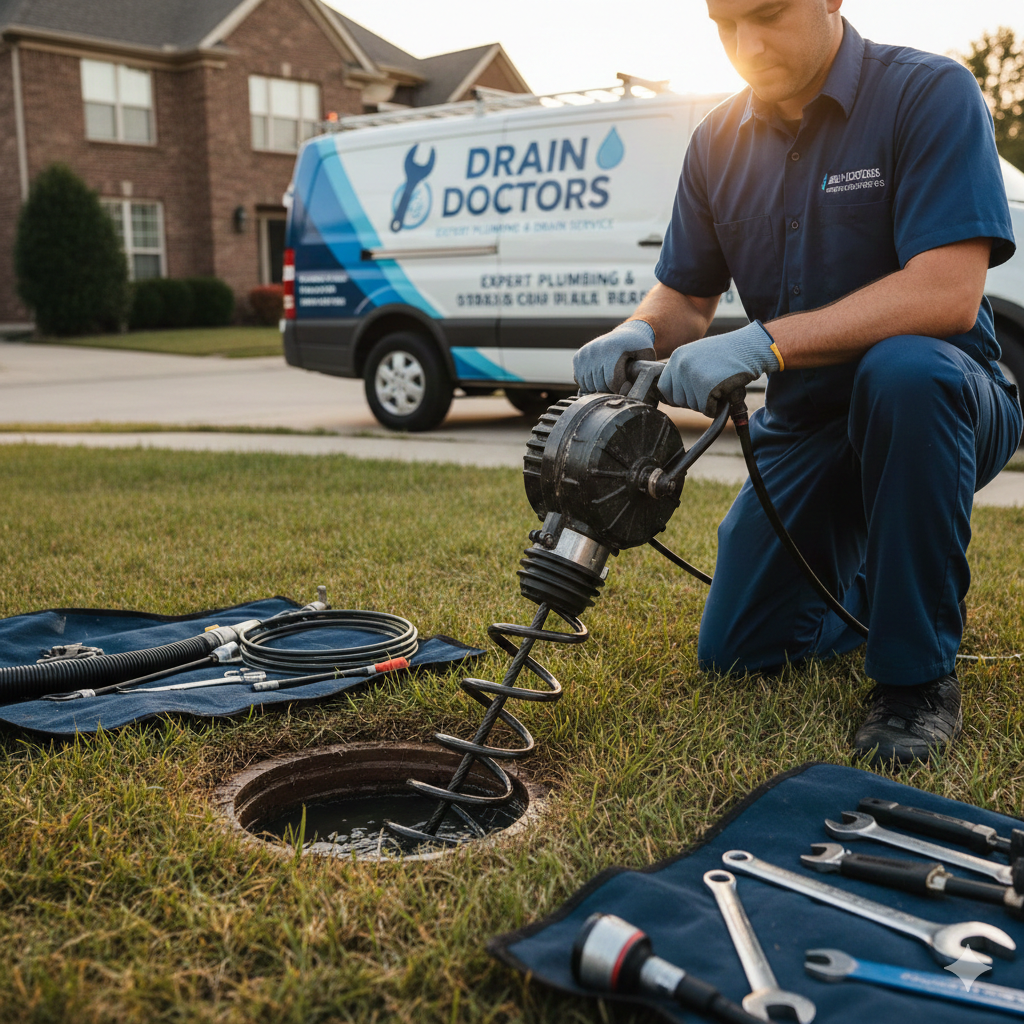
Trenchless drain repair is a modern method that fixes underground pipes without the need for extensive digging or trench excavation. It allows for repairing or replacing damaged drain lines quickly and with minimal disruption to the surface above. This technique uses advanced technologies like pipe liners or pipe bursting to restore pipelines efficiently.
This approach is becoming popular because it reduces the cost, time, and mess traditionally associated with pipe repair. Homeowners and professionals alike appreciate its ability to maintain pipe integrity while avoiding large-scale excavation that can damage yards and landscaping.
By eliminating the need to dig trenches, trenchless drain repair offers a smarter, less invasive solution for addressing pipe problems. Its efficiency and minimal impact make it an attractive choice for both residential and commercial plumbing needs.
Understanding Trenchless Drain Repair
Trenchless drain repairs offer a modern alternative to traditional pipe repair, focusing on minimal surface disruption and efficient restoration. It involves innovative techniques designed to fix or replace underground drain pipes without extensive excavation. This section breaks down what trenchless drain repair entails, how it compares to conventional methods, and where it is commonly used.
What Is Trenchless Drain Repair
Trenchless drain repair is a process that restores or replaces damaged underground pipes with little to no need for digging large trenches. It typically starts with a video camera inspection to locate and assess the damaged area accurately. Using small access points, technicians insert materials such as liners or pipe bursts to rehabilitate the pipe from the inside.
This method reduces surface damage by avoiding open trenches that disrupt landscaping, driveways, and sidewalks. The repair lasts decades, often providing a durable, seamless pipe lining that resists corrosion. Trenchless technology is suitable for various pipe materials, including clay, cast iron, and PVC.
Comparison With Traditional Drain Repair
Traditional drain repair involves extensive excavation to expose the damaged pipe fully. This often means tearing up yards, driveways, or streets, which increases labor, time, and restoration costs. The open-trench method can take several days to weeks, depending on the scope and location.
In contrast, trenchless repair minimizes surface disruption and typically completes faster, sometimes in a few hours. It reduces the risk of damaging nearby landscaping or infrastructure. The upfront cost may be higher, but the overall expenses can be lower due to reduced labor and restoration needs.
| Aspect | Traditional Repair | Trenchless Repair |
| Excavation | Extensive digging | Small access points only |
| Repair Time | Days to weeks | Hours to a day |
| Surface Disruption | High | Minimal |
| Restoration Costs | Often high | Typically lower |
| Pipe Longevity | Depends on method | Often 25–50 years |
Common Applications in Residential and Commercial Settings
Trenchless drain repair suits both residential and commercial properties experiencing pipe damage or blockages. In homes, it is frequently used to fix sewer line cracks, tree root intrusions, or collapsed pipes without disturbing lawns or driveways. This is beneficial for maintaining curb appeal and avoiding costly landscaping repairs.
Commercially, trenchless methods apply to large sewer lines, storm drains, and complex plumbing networks. Businesses benefit from the quick turnaround, which limits downtime and disruption to operations. Facilities with streets, parking lots, or sensitive landscaping nearby also prefer trenchless options to reduce surface damage and repair costs.
The method works well for pipes of various sizes and materials, making it versatile across multiple scenarios. Both sectors value its durability, eco-friendliness, and reduced labor intensity.
Advantages and Process of Trenchless Drain Repair
Trenchless drain repair minimizes property disruption, speeds up the process, and often costs less than traditional methods. It uses specialized techniques to avoid extensive digging, preserving landscaping and structures. Several repair types suit different pipe conditions, and project costs vary based on factors like damage severity and location.
Key Benefits for Property Owners
Trenchless drain repair offers minimal surface disturbance, which means no large open trenches or destroyed landscaping. This advantage reduces repair time and avoids costly restoration of driveways, lawns, or sidewalks.
It is typically faster than traditional excavation, with many jobs completed within a day. This convenience lowers disruptions to daily routines and business operations.
Additionally, trenchless methods are more environmentally friendly, using less heavy machinery and producing less waste material.
Because the approach often requires less labor and material, it tends to be cost-effective, especially when factoring in savings on property repairs.
Types of Trenchless Methods
Several established trenchless techniques address various pipe issues:
- Pipe Lining (Cured-in-Place Pipe or CIPP): Involves inserting a resin-coated liner into the existing pipe, which hardens to form a new pipe within the old one.
- Pipe Bursting: The damaged pipe is fractured and pushed outward while a new pipe is pulled in behind it.
- Slip Lining: A smaller diameter pipe is inserted into the existing pipe to restore functionality.
- Epoxy Coating: Applies a resin directly inside the pipe to seal leaks and cracks without full pipe replacement.
Each method suits different pipe sizes, materials, and extents of damage.
Step-By-Step Overview of the Repair Process
- Inspection and Diagnosis: Using cameras or sonar, plumbers inspect the pipe interior to locate damage and assess pipe condition.
- Preparation: Access points are dug at the pipe’s entry and exit locations, typically small and limited in number.
- Repair Execution: Depending on the chosen method, liners are inserted, pipes burst and replaced, or epoxy coatings applied.
- Curing and Testing: For lining methods, the resin hardens, often using heat or UV light. Pressure tests confirm the pipe’s integrity.
- Site Restoration: Access points are filled and the surface restored, usually requiring minimal landscaping work.
This process limits surface damage and shortens project timelines compared to traditional digging.
Factors Affecting Cost and Suitability
Key factors impacting cost include pipe length, depth, and damage severity. Longer or deeper pipes require more materials and labor.
The pipe material and layout complexity influence the choice of trenchless method and price.
Not every situation suits trenchless repair. Extensive pipe collapse, roots invading pipes, or multiple collapsed sections might require traditional excavation.
Permitting and local regulations can also affect feasibility and cost. Soil conditions, accessibility, and proximity to other underground utilities are additional practical considerations.
Choosing the right method requires professional evaluation to balance efficiency, cost, and long-term durability.



Leave a Reply