
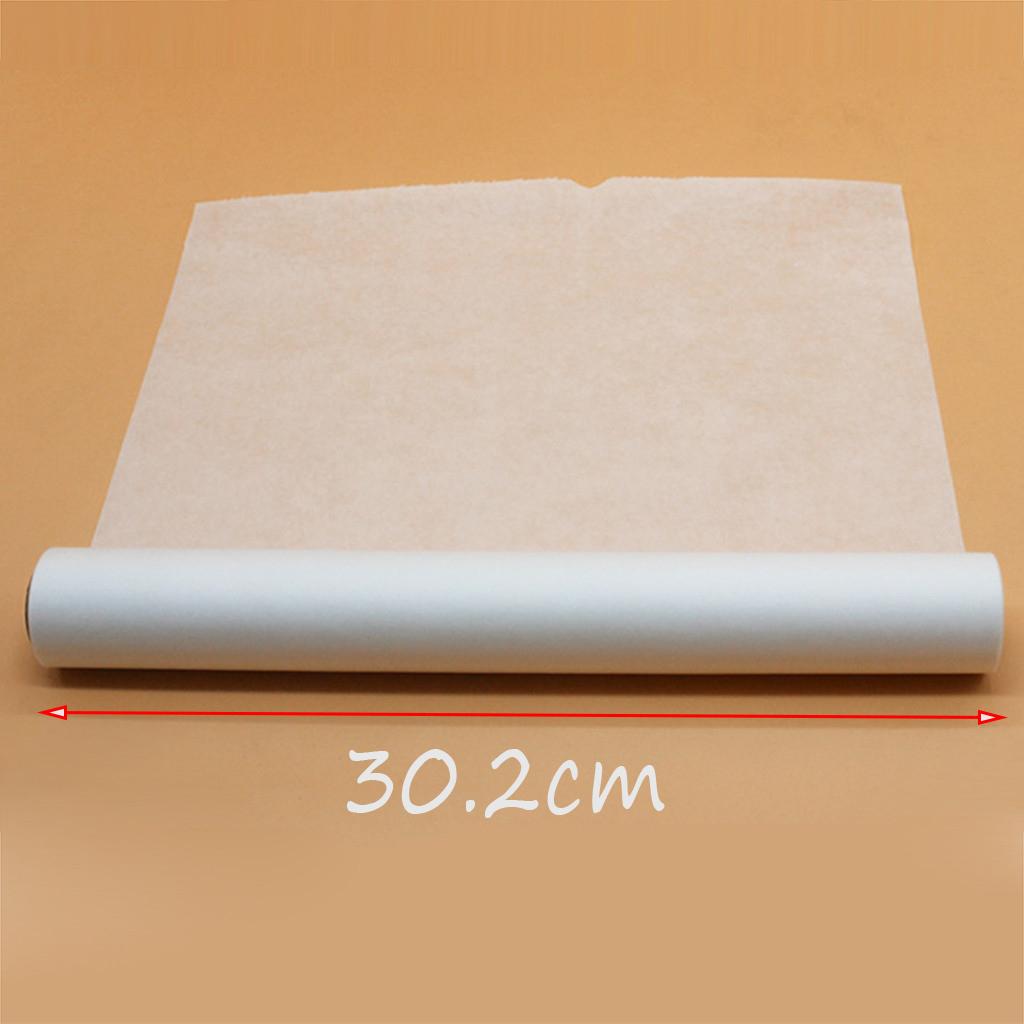
When you walk into a deli or café, the first thing that catches your eye is not always food itself but how food is presented. Food brands today understand that presentation is more than just a feature—presentation affects how customers see quality and freshness. Presentation can make a sandwich or pastry feel more valuable. People often decide whether to try a product based on how it looks at first glance.
Customers are influenced by small details. Brands like WaxPapersHub show how wrapping choices can improve the impression of food, making customers feel satisfied before they even take a bite. This approach is common for food brands in the USA and other countries.
How Does Wrapping Influence Customer Perception?
The way food is wrapped tells a story without words. Customers associate neat, clean wrapping with quality and care. If a sandwich is loosely wrapped or paper is greasy, people might question freshness or hygiene. First impressions often define how customers rate experience.
Many brands focus on consistency in presentation. Using the right materials and methods ensures that food stays intact while looking ready. Subtle touches, like patterned wraps, make food feel distinct and increase customer interest. Products like custom wax paper help brands keep food ready and attractive at same time, combining function and perception.
Why Is Freshness a Key Factor in Wrapping Decisions?
Freshness affects food enjoyment. Think of a bakery item left out. Food quickly loses softness and flavor. Using wrapping keeps freshness longer. Many food brands use materials like custom printed paper, which blocks environmental effects while allowing safe handling. Brands like WaxPapersHub provide ways for businesses to deliver fresh products without changing quality. Keeping freshness consistent is a way for brands to show customers that quality matters.
Can Wrapping Affect Food Safety?
Food safety is important in any eating place. Wrapping protects food from germs, dust, and handling mistakes. Even a small error can affect health and trust. Clean, secure wrap keeps food untouched until the customer opens. Modern brands use wrapping to limit hand contact, especially in fast environments. Using materials safe for food, like wax or custom food paper, is key. Companies like WaxPapersHub help businesses follow safety rules while keeping food ready. Proper wrapping shows customers that a brand takes care, building trust.
How Does Wrapping Improve Convenience for Customers?
Convenience is a main factor for customers. Busy lives mean food must be easy to carry, eat, and throw away. Wrapping helps with this. Wrapped food is easier to handle, keeps mess down, and allows fast eating.
For example, a sandwich wrapped well keeps heat and avoids spills. Even drinks or snacks are easier to carry when wrapped. Food brands use materials that support convenience and protect food. The custom printed paper helps food be carried safely while staying ready to eat. Convenience makes customers choose one brand over another, turning food into simpler experiences.
Why Do Brands Focus on Sustainable Wrapping Options?
Sustainability is expected by customers. Wrapping shows a brand’s values. Using materials that break down or can be recycled reduces waste and shows responsibility. Customers often support brands that follow these rules.
Brands look for materials that keep food ready but are safer for the environment. Materials like wax-coated or custom printed paper protect food while reducing harm. WaxPapersHub provides options that let businesses protect food while following environmental care. Sustainable wrapping is part of what brands communicate to customers, showing care for food and the world.
Do Wrapping Choices Affect Food Longevity?
Food longevity matters for brands and customers. Proper wrapping slows spoilage, keeps texture, and stops drying. Baked goods, sandwiches, and pastries need protection or they lose value quickly.
Brands using wrapping materials that protect items reduce waste and save money. Well-wrapped food stays ready to eat for hours, which helps customers who take food home. Using custom printed paper keeps food ready longer. Longevity in wrapping shows that a brand cares about providing full experience, not just selling food.
Why Is Texture and Feel Important in Wrapping?
Texture and feel affect how customers see food. Wrapping that is easy to handle makes eating simpler. Rough or weak paper can make food feel cheap, while smooth or strong material feels safe to handle.
Some brands use wraps that give a small sensory experience, like soft wax or paper that folds cleanly. Using custom printed paper lets brands manage how wrap feels. Feel affects perception of freshness and quality. Brands that pay attention to texture can stand out without changing food itself.
How Do Wrapping Choices Affect Food Aroma?
Aroma is part of eating. Wrapping can change how food smells. Bad wrapping can trap smells or let them escape, affecting what customers smell when opened. Proper wraps keep food scent ready for customers.
For example, a pastry wrapped with care releases aroma when opened, creating interest. Materials like custom printed paper allow airflow while keeping food ready. Brands that focus on aroma in wrapping show care for the whole experience. Retaining scent makes food more appealing and can change how people see flavor.
How Does Wrapping Impact Customer Loyalty?
Customers notice care and consistency. Brands that reliably wrap food create positive experiences, which can build loyalty. People return to places where food is complete from start to finish.
Secure and functional wrapping shows that a brand values both product and customer. Solutions like custom printed paper help maintain quality and impression. Loyal customers may tell others, increasing reach. Wrapping can become a tool to create long-term relationships with customers.



Leave a Reply